LinkedIn Content Strategy for Inclusive Leadership Speakers | Netwarm
LinkedIn playbook · Case study
LinkedIn content strategy for inclusive leadership speakers: how a Stockholm executive advisor reached 350 CEOs and senior leaders in 6 weeks
We read the first 100 reactions on each of 22 posts from a Stockholm inclusive leadership advisor and keynote speaker. 1,509 people, 350 CEOs and senior leaders. Here is what brings buyers, what brings peers, and the 5 posts we’d publish next.
Max Sawyer · Netwarm··12 min read
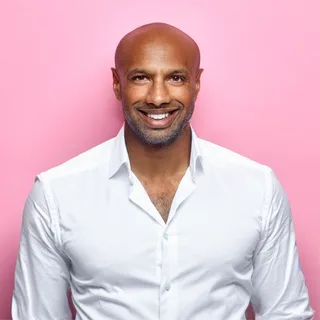
The creator in this case studyA Stockholm executive advisor and keynote speaker on inclusive leadership
Followers18,521
Posts~3 to 4 a week
SellsExecutive advisory, leadership development and keynotes on inclusive leadership and culture change, plus All Inclusive, a yearly stage event for inclusive leadership
PeriodSep 25 – Nov 4
Ideal client: CEOs, boards and senior leadership teams who want to lead through complexity, and the HR and culture leaders who book keynotes and advisory work.The challenge: The advisor posts in Swedish, with passion, about leadership, inclusion and the public debate, and says the posts are never written for the algorithm. They travel far: from 68 to 1,185 reactions each. Which ones reach the CEOs and boards who hire the advisor?
These numbers are from 5 November. Your audience has already moved.
New CEOs and senior leaders turn Hot every week and others go quiet. Run your free scan to see today’s version, with the names.
1 reader in 4 is a buyer.350 CEOs, founders, directors, board members and HR leaders reacted between 25 September and 4 November: 23% of everyone we read.
Topics are close, posts are not.Every topic brings 22% to 28% buyers. But the boardroom post brought 33%, the office debate post 15%, though it had the most reactions.
38 keep coming back.38 CEOs and senior leaders reacted to 3 posts or more, 11 of them to 5 or more.
01
Who actually reads you, and what the LinkedIn algorithm changed
The advisor posts three to four times a week, in Swedish: leadership and working life, the public debate, personal stories, keynote tours and boards. 22 posts between 25 September and 4 November, from 68 to 1,185 reactions each.
The LinkedIn algorithm shows a post to the people who reacted to the last ones, then to people like them. A post on the Church of Sweden or the office debate travels far, but it travels to everyone. Reach can’t tell a CEO from a fan. Who reacted can. We sorted the first 100 people on each post by role.
22posts in 6 weeks
1,509people reacted
350CEOs and senior leaders
38came back 3+ times
Audience by roleThe 1,509 people who reacted, by roleFree
CEOs, founders, directors, board members & HR leaders350 · 23.2%
About one reader in four is the kind of person who books the advisor: 350 CEOs, founders, directors, board members, heads of HR and people and culture leaders, in companies, public agencies and associations.
285 people are coaches, consultants, speakers, leadership trainers and recruiters. They share the cause and push reach, but they rarely book a keynote. The other 874 are professionals in every kind of role: readers, many of them loyal, not buyers.
SeniorityAll people who reactedFree
Founder, owner, C-level11.6%
Director, VP4.4%
Manager9.3%
Independent5.8%
Other68.9%
IndustriesCEOs and senior leaders onlyNetwarm
HR, people and consulting firms18%
Hidden in preview00%
Hidden in preview00%
Hidden in preview00%
Hidden in preview00%
Hidden in preview00%
See all industries and company sizes in your free scan.
Core audience38 CEOs and senior leaders engaged 3+ times · 11 engaged 5+ timesNetwarm
38 CEOs and senior leaders came back to 3 posts or more. One of them reacted to 9 of the 22.See your regulars
Engager company sizeEveryone who reacted, by company sizeNetwarm
Hidden in preview00%
Hidden in preview00%
Hidden in preview00%
Hidden in preview00%
Hidden in preview00%
See which company sizes your CEOs and senior leaders work at.See company sizes
02
What to post on LinkedIn to reach CEOs and senior leaders
Most speakers judge a post by its reactions. An advisor who wants CEOs and boards to book should judge it by who reacted.
We tagged each of the 22 posts by topic, then measured the share of CEOs and senior leaders among the people who reacted.
Your topicsWhat your 22 posts were aboutFree
22posts
Public debate: church, society, politics6
Leadership and working life5
Personal stories5
Tour, visits and keynotes4
Boards and influence2
Topics that attract CEOs and senior leadersShare of each topic’s reactions from CEOs and senior leadersNetwarm
Boards and influence27.9%
Personal stories24.8%
Leadership and working life23.7%
Tour, visits and keynotes22.6%
Public debate: church, society, politics21.9%
One post brought 2x the share of CEOs of another. See which.See which topics
Every topic brings between 21.9% and 27.9% CEOs and senior leaders. The real gap is between single posts: 33% for the boardroom post, 15% for the office debate post, which had the most reactions of the period.
Posts that brought the most CEOs and senior leadersShare of CEOs and senior leaders in each post’s reactions1 of 5 open
#1Will 2027 be the year we stop settling for diversity for show?33.3%
#2Hand on heart: how Rotary do I really feel?30.3%
#3One of working life’s biggest leadership myths is pure bullshit30%
#4Does AI need inclusive leadership?29.6%
#5Who will want to lead if the price is hate?29%
For comparison, the office debate post had the biggest reach of the period, 1,185 reactions, and the lowest share of CEOs and senior leaders: 15.2%. The two posts on the Church of Sweden article: 18.2% and 17.0%.
6 rules for LinkedIn engagement from CEOs and senior leaders
These rules come from what worked on the advisor’s own profile, and from the best-performing Swedish posts on leadership, inclusion and the public sector over the last 3 months.
1
Speak to the room that decides. A post about who sits on the board, and what changes once they are there, is read by the people who sit there. Put the boardroom or the leadership team in the first line.On this profile: the boardroom post reached 33.3% CEOs and senior leaders, the highest share.
Kill one leadership myth. Name one belief leaders still hold, call it out in the first line, then give the proof from your own career. One myth per post.On this profile: the “pure bullshit” myth post reached 30%. Across the niche: a seven-line post calling one habit “not leadership” drew 143 likes.
Show your own blind spot. The speaker who talks about prejudice and catches one of their own is the post leaders forward. It gives them permission to do the same.On this profile: the Rotary keynote post reached 30.3%, the second highest share.
Bring the public debate back to the workplace. A debate article travels to everyone. The post that brings CEOs ends with the question for the person who leads: what does this mean on Monday, in your team?On this profile: the post on leading when the price is hate reached 29%. The two Church of Sweden article posts: 18% and 17%.
Turn the new tech into a people question. Leaders are flooded with AI news. A post that asks what AI does to the people they lead, and what the leader must do, reads like advice for them.On this profile: the AI and inclusive leadership post reached 29.6%. Across the niche: a seminar recap on AI agents and how work should look drew 100 likes and 15 comments.
Make it about the leader, not the policy. Office days, hybrid models, rules: everyone has an opinion, so everyone reacts. Name the trap the leader falls into instead, and the leaders recognise themselves.On this profile: the office debate post drew 1,185 reactions, the most, and 15% CEOs and senior leaders, the lowest. Across the niche: a post on the “superchef” trap drew 292 likes.
When CEOs and senior leaders read: the best time to post on LinkedIn for inclusive leadership speakers
We compared the share of CEOs and senior leaders by the day and the hour each post was published (Stockholm time).
Share of CEOs and senior leaders by posting dayAmong the people who reacted to each postFree
24.7%
Mon
25.4%
Wed
21.4%
Thu
21.9%
Fri
25.1%
Sun
Best time to post, by hourShare of CEOs and senior leaders among people who reactedFree
23.3%
6:00
23.6%
8:00
Wednesday (5 posts, 25.4%) and Monday (6 posts, 24.7%) brought the highest share. Thursday (21.4%) and Friday (21.9%) were lowest. Sunday reached 25.1% on only 2 posts. The spread is small: the post matters more than the day.
Keep the morning slot: 16 of the 22 posts went out between 8:00 and 10:00, with 23.6% CEOs and senior leaders. Put the posts written for boards and leaders (boardroom questions, myths, the leader’s trap) on Monday and Wednesday, and the debate and event posts on Thursday and Friday.
05
5 posts ready to publish to target CEOs and senior leaders
Each post follows the rules above, in the advisor’s voice and in Swedish, like the profile. Swap in your own details before posting: the real board, the real question, the real room is what makes it land.
1Ready to postBoardroom question
Who talks the most in your boardroom?Rule 1: speak to the room that decides. Modelled on the advisor’s boardroom post (33% CEOs and senior leaders, the highest share).
Hook
Vem pratar egentligen mest i era styrelsemöten?Den frågan har jag ställt till flera ordförande den här hösten. De flesta svarar snabbt. Sedan blir det tyst en stund. För svaret är nästan alltid detsamma: samma två eller tre personer som pratade mest för fem år sedan.Vi har lagt enormt mycket kraft på att förändra vilka som sitter runt bordet. Fler kvinnor. Fler yngre. Fler med en annan bakgrund. Och det är bra. Men en plats runt bordet är inte samma sak som en röst i rummet.Så här är tre frågor jag tycker att varje styrelse borde ställa sig efter nästa möte:Vem fick ordet först, och vem fick det sist?Vems invändning ledde till att ett beslut faktiskt ändrades?Vem sa ingenting alls, och har vi frågat varför?Det är obekväma frågor. Särskilt för oss som har suttit längst och pratat mest. Men om ingenting förändras när nya människor får plats, då är det inte mångfald vi har skapat. Då är det en gruppbild.Så, handen på hjärtat. Vem pratar mest i ert styrelserum?
Visual · PhotoThe advisor in the studio at Styrelsespanarna, or an empty boardroom table with one chair pulled out.Check before postingUse a real conversation from Styrelsespanarna or a board you have met. If you haven’t asked chairs this question this autumn, change the second paragraph to your own observation.
The myth that a good leader always has the answerRule 2: kill one leadership myth. Modelled on the advisor’s “pure bullshit” post (30%) and Johannes Hansen’s “Det är inte ledarskap” post.
Hook
Ännu en ledarskapsmyt som är ren bullshit: att en bra chef alltid har svaret.Jag har snart varit ledare i 30 år. Och under den tiden har jag mött mängder av chefer som hellre gissar än säger tre enkla ord: Jag vet inte. Jag har varit en av dem själv. Länge.För myten säger att tvekan är svaghet. Att en ledare som inte vet tappar respekt. Att medarbetarna behöver någon som alltid har en plan.Men verkligheten är en annan. En chef som aldrig säger ”jag vet inte” lär sina medarbetare att aldrig säga det heller. Och då slutar de fråga. De slutar säga ifrån. De slutar berätta det du verkligen behöver höra.Det är där inkluderingen dör. Inte i en policy. I ett möte där ingen vågar vara den som inte förstår.Så här är tre meningar jag önskar att fler chefer sa högt, gärna redan i morgon:”Jag vet inte.”
”Jag hade fel.”
”Vad är det jag inte ser?”Ingen av dem kostar dig något. Alla tre kan förändra ett helt rum.Vilken ledarskapsmyt skulle du vilja göra upp med?
Visual · Text cardThe three sentences on a black card, white type: “Jag vet inte. Jag hade fel. Vad är det jag inte ser?”Check before postingAdd one real moment when you said “jag vet inte” in front of a team, or when you didn’t and regretted it.
What a church taught me about leading people who disagreeRules 3 and 4: show your own blind spot, and bring the public debate back to the workplace. Modelled on the advisor’s Rotary post (30%) and the “price is hate” post (29%), against 17% for the church article posts.
Hook
Jag gick in i Gustav Vasa kyrka med en fördom. Jag gick ut utan den.Förra måndagen stod jag och kyrkoherde Sandra Signarsdotter mitt i kyrkorummet för att prata om samvetsfrihet, samkönade äktenskap och var gränsen går mellan rätten till en övertygelse och skyldigheten att behandla människor lika.Jag hade förberett mig på motstånd. Och ärligt talat hade jag också bestämt mig för vilka som skulle stå för det. De äldre. De troende. De som skrivit till mig efter debattartikeln.Men det var inte så det blev. En av de mest nyfikna frågorna kom från en äldre man på tredje bänkraden som sa att han inte höll med mig. Och sedan frågade han hur han skulle kunna förstå mig bättre.Det är där det här blir en ledarskapsfråga. För varje chef kommer att leda människor som tycker att det hen står för är fel. Frågan är inte om det händer. Frågan är vad vi gör då.Stänger vi dörren? Eller gör vi som Sandra, som valde att öppna den?Jag tror att framtidens ledare behöver tre saker när värderingar krockar på jobbet: modet att säga vad man står för, nyfikenheten att lyssna på den som inte håller med, och tydligheten att aldrig kompromissa om allas lika värde.Så, till alla er som leder andra: hur gör ni när en medarbetare inte delar era värderingar?
Visual · PhotoThe advisor and Sandra Signarsdotter in the church on 9 November, from the photographer’s set.Check before postingWrite it after 9 November with what really happened: replace the man on the third pew with a real moment from the evening, and ask Sandra before tagging her.
Three questions every leadership team should ask before the next AI pushRule 5: turn the new tech into a people question. Modelled on the advisor’s AI and inclusive leadership post (30%) and Per Clingweld’s AI agents seminar post.
Hook
Vad händer med människorna i er organisation när AI kommer in genom dörren?Sedan frukostturnén med Ledarna började har jag fått samma fråga i stad efter stad. Inte om modeller eller verktyg. Utan om människor. Om den som inte hänger med. Om den som är rädd att bli överflödig. Om den som sitter tyst.För AI kommer inte in i en neutral organisation. Den kommer rakt in i den kultur ni redan har.Så innan nästa AI-satsning tycker jag att varje ledningsgrupp borde ställa sig tre frågor:1. Vem i vår organisation vågar säga ”jag fattar inte”? Och vem gör det inte?2. Vem tjänar på den här förändringen, och vem riskerar att bli omsprungen?3. Vad gör vi chefer annorlunda, inte bara vad ska medarbetarna lära sig?Den sista är den svåraste. För det är så mycket enklare att boka ännu en AI-utbildning för medarbetarna än att fråga sig själv vad man som chef behöver förändra.Tekniken kommer att förändras igen nästa år. Människorna ni leder är kvar.Vilken fråga skulle du lägga till?
Visual · CarouselFour slides: the opening question, then one slide per question, white on black.Check before postingCheck where the breakfast tour with Ledarna has been since Umeå, and add one real question you got from a participant.
The boardroom questions, free for a commentThe lead magnet: a short list leaders can use in their next board or leadership team meeting, given for one word. Modelled on the advisor’s open lecture invitation and Lee Chambers’ research preview offered by comment.
Hook
Jag har samlat de tio frågor jag själv ställer till styrelser och ledningsgrupper. Nu får du dem gratis.Sedan jag blev en del av Styrelsespanarna har jag fått samma fråga om och om igen: ”Okej Aaron, men hur vet vi om vi faktiskt har blivit mer inkluderande, och inte bara ser ut att ha blivit det?”Det är en bra fråga. Och svaret finns sällan i en hållbarhetsrapport. Det finns i hur ni pratar, beslutar och lyssnar när dörren är stängd.Så jag har samlat de frågor jag själv använder när jag möter styrelser och ledningsgrupper. Tio frågor. En sida. Inga checklistor för syns skull, bara frågor som är obekväma på riktigt.Tre av dem:Vems invändning ändrade senast ett beslut i det här rummet?När rekryterade vi senast någon vi inte kände sedan tidigare?Vad skulle en ny ledamot våga säga under sitt första år, och vad skulle hen inte våga säga?Vill du ha alla tio? Kommentera STYRELSE så skickar jag dem till dig i ett DM.Och om du testar dem på ert nästa möte, berätta gärna hur det gick.
Visual · DocumentA one-page PDF titled “Styrelserumsfrågorna”, ten questions, Black Batman branding.Check before postingWrite the full list of ten questions before posting, keep the opening only if leaders really ask you this since Styrelsespanarna, and plan who sends the DMs to everyone who comments STYRELSE.
Free forever: unlimited scheduling through LinkedIn’s official API, with images, video and PDF carousels.
06
LinkedIn lead generation: lead magnets that work to target CEOs and senior leaders
Reactions show interest. A request shows intent. The fastest way to find out which CEOs and HR leaders want to talk is to give them something useful and see who asks for it.
In leadership, HR and inclusion content, these formats get the most requests:
Format 1The leader’s toolkitA ready-to-use resource for a leader’s real work, shared for free in the comments. Leaders ask for what saves them time on Monday.
Format 2The research previewOne finding from new research, and a seat at the preview for a comment. Leaders and HR teams want the data before their peers do.
Format 3The open invitationA free lecture, a coffee, a seat: invitations by comment, followed by a DM. Everyone who comments raises a hand.
Our pick for you: “Styrelserumsfrågorna”Built from what the advisor already does as one of the boardroom commentators on Styrelsespanarna: ten uncomfortable questions for boards and leadership teams, on one page. Offer it on post 5 for the word STYRELSE: everyone who asks is a CEO, chair or HR leader thinking about their own room right now.With a Reveal link, every person who downloads it is shown by name, with their role and how warm they are. Your first Reveal link is free.Create your free Reveal link
07
From reactions to clients
Content brings CEOs and HR leaders to the profile. It doesn’t say when to reach out. Most never comment, so they stay invisible, and a CEO who reacts to a boardroom post in October may have booked another speaker by January.
On LinkedIn, the right moment to start a conversation is when someone keeps coming back. We call that Hot: 5 or more points over 90 days, where a reaction counts 1, a repost 2, a download or a reply 4. In this sample, 11 CEOs and senior leaders already reacted to 5 posts or more.
Hot right now11 CEOs and senior leaders · not contacted yetNetwarm
11 CEOs and senior leaders are Hot. See who to message first.See who’s Hot
First messageAn opener for each Hot person, based on the posts they readNetwarm
You’ve followed the boardroom posts closely this autumn. What is the question your own leadership team avoids?I saw you came back to the post on AI and inclusive leadership. Is that something you’re working on right now?Thanks for following along. If All Inclusive or a keynote for your team is on the table for spring, I’d be happy to talk.
A first line for each of them, ready to send.See the openers
Netwarm shows who turned Hot this week and what they reacted to, so the first message starts from their interest, not from a pitch.
08
FAQ
Posts written for the people who book you: questions for boards and leadership teams, one leadership myth at a time, your own blind spots, and new topics such as AI turned into people questions. On this profile those brought 29% to 33% CEOs and senior leaders, against 15% to 18% for the office debate and the church article posts.
On this profile, Wednesday (25.4%) and Monday (24.7%) brought the highest share of CEOs and senior leaders, and Thursday the lowest (21.4%). Post in the morning, around 8:00 Stockholm time.
Look at who reacted, not how many. Sort the people who react by role, and count the buyers who come back to 3 posts or more: here, 38 CEOs and senior leaders.
Yes. Netwarm reads public reactions and never asks for your LinkedIn login, so there is no risk for your account.
How we made this playbook
Period: 25 September to 4 November 2026, 22 posts. We read the first 100 reactions on each post: 2,112 reactions from 1,509 people. Comments were not counted.
Roles are grouped from public LinkedIn headlines, so the groups are approximate. Buyers: CEOs, founders, owners, directors, board members, heads of HR and people and culture leaders. Peers: coaches, consultants, speakers, leadership trainers and recruiters.
Niche rules and lead magnet formats come from the best-performing posts on leadership, inclusion and the public sector over the last 3 months.